on february 12, 1947
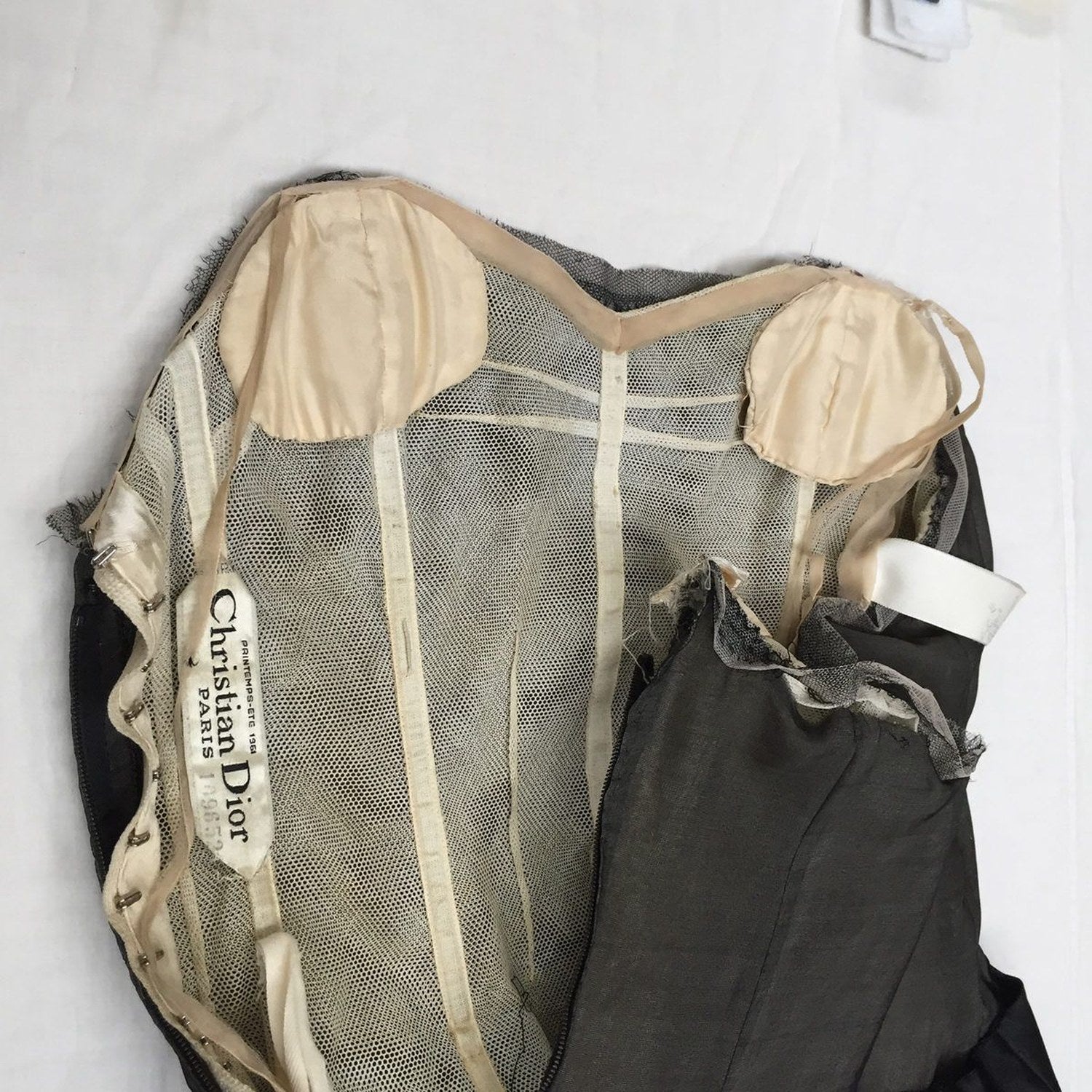
on february 12, 1947, in the salons of 30 avenue montaigne, christian dior presented two lines named corolle and en 8. the shoulders were rounded. the bodices were fitted. the waists were drawn in to startling narrowness. skirts swept outward in folds of fabric that had been unthinkable during the war. by the time the show was over, the editor of harper's bazaar had called it the new look, and the silhouette of the next decade had been set.
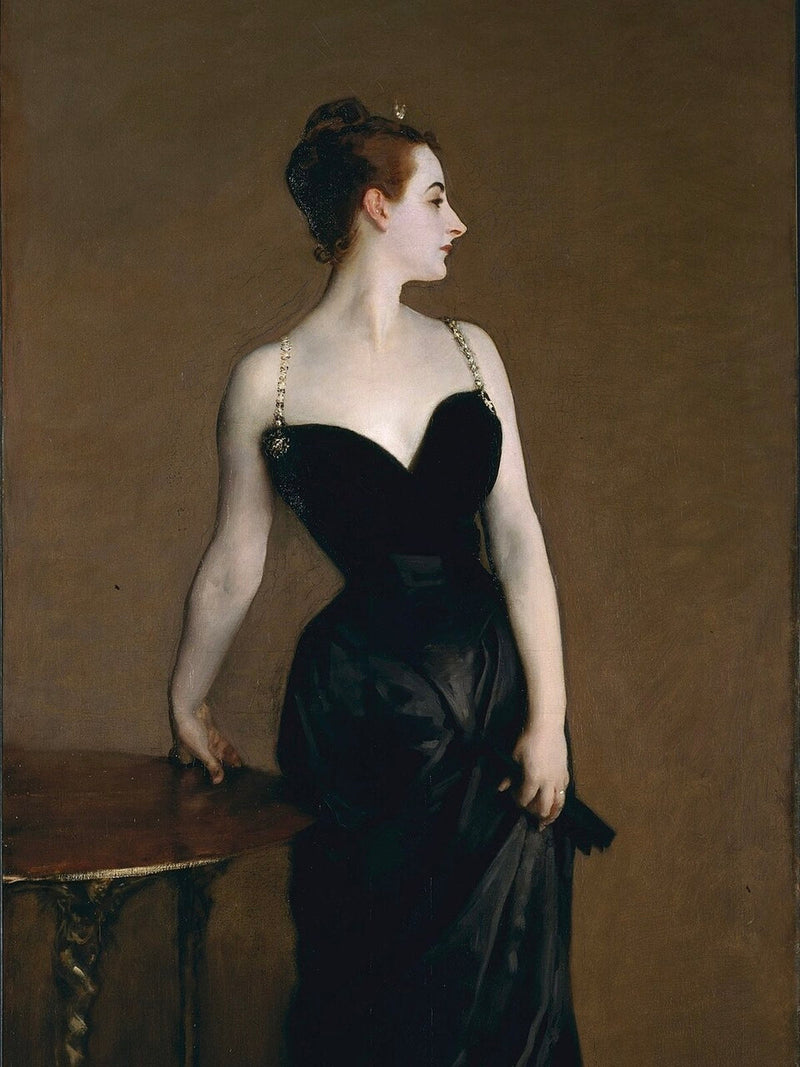
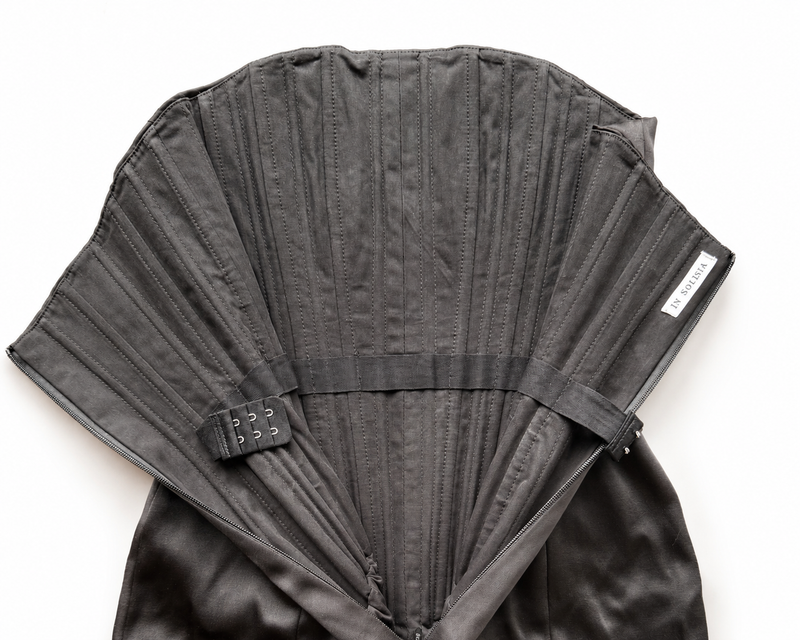
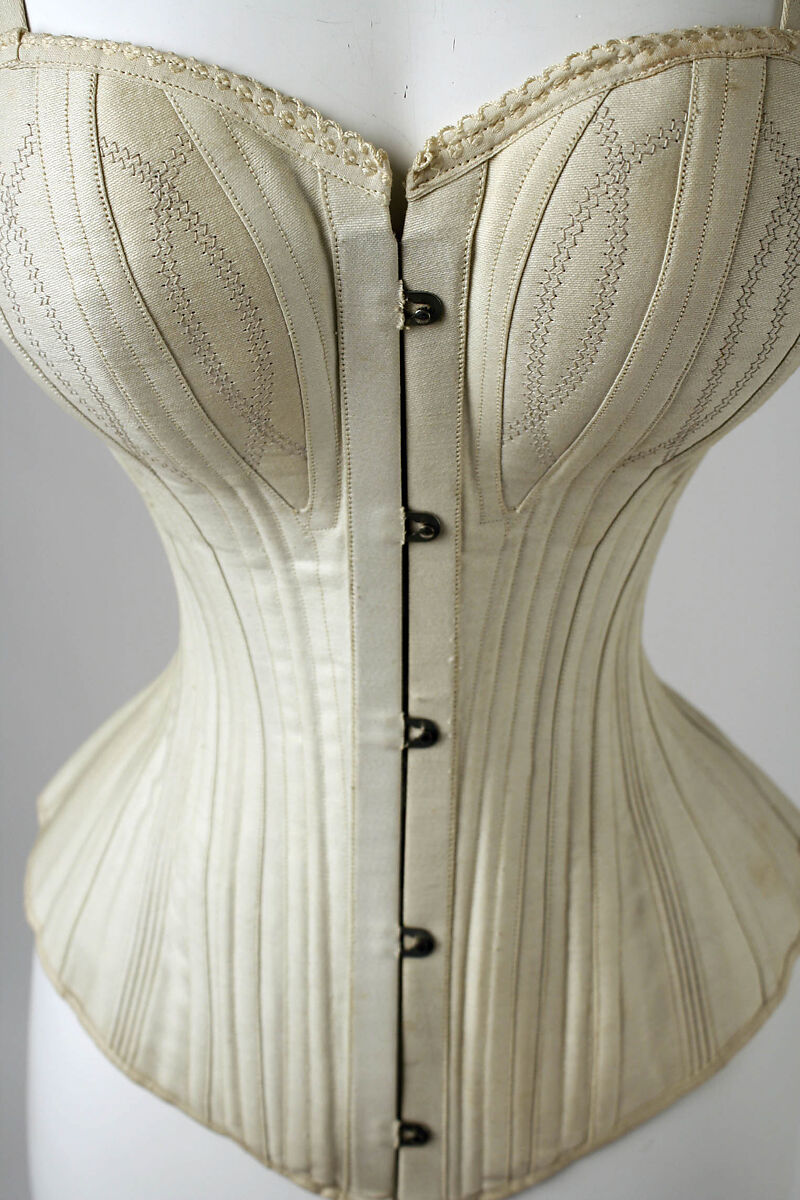
what almost no one outside fashion history knows is what was happening inside the gowns. many of the couture dresses of that era — dior, balmain, givenchy, balenciaga — had structure sewn directly into their linings. the wearer did not put on a foundation garment and then a dress. she put on one garment. the structure was invisible. the silhouette was inevitable.
sometime between the late 1960s and the 1970s, this craftsmanship became too expensive to produce at scale. it became rare. it shifted from a standard feature of how dresses were built to a couture-specific detail that most contemporary dressmaking stopped reaching for. the dresses started to hang.
we are picking it up where most of the industry left it. not as costume. as construction.